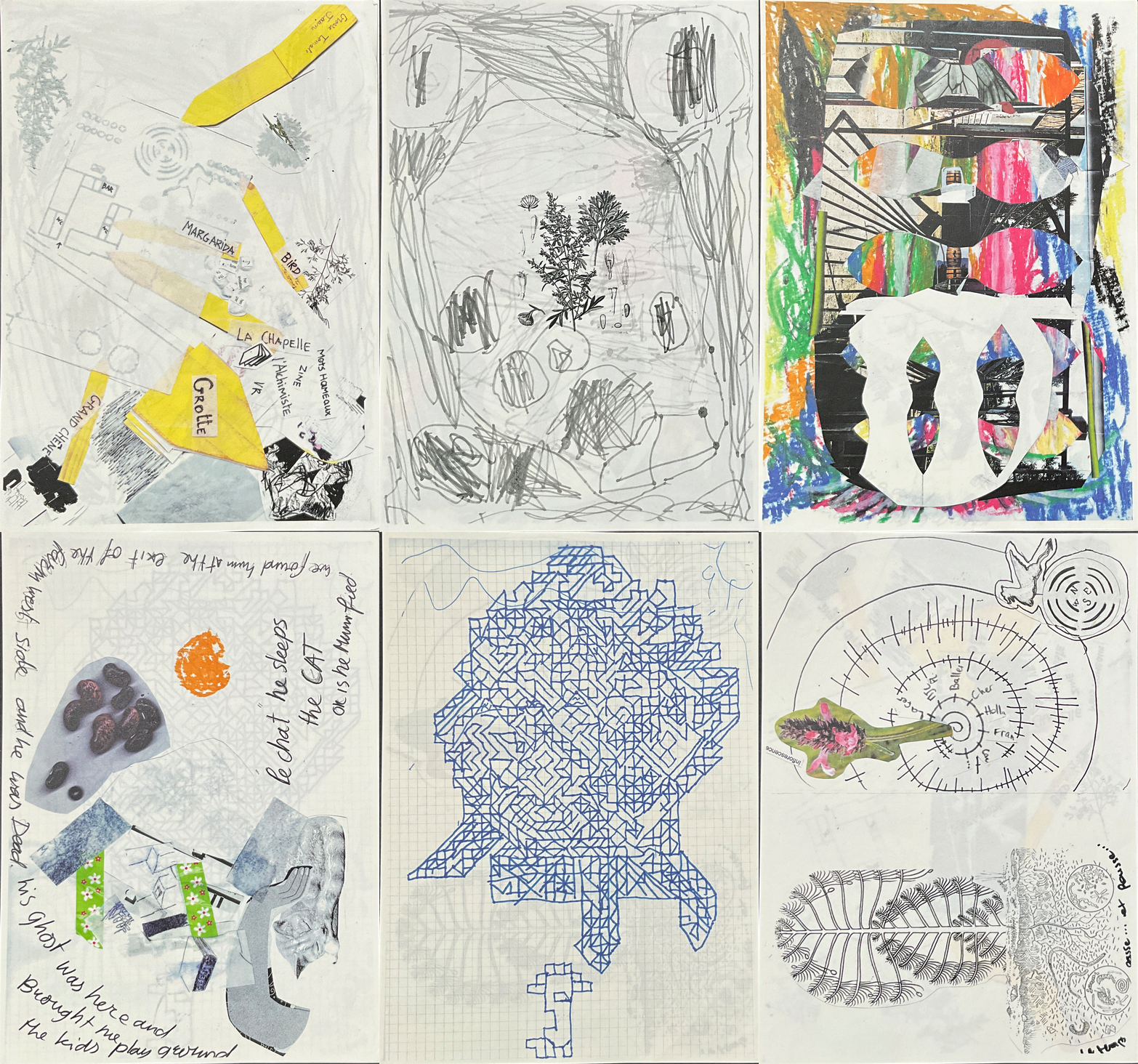
Figures 1–6: zine des Minières, animated gif of pages 1 to 6 (2021).
Emilie Gallier, Amsterdam University of the Arts
Welcome to a stroll through the zine des Minières, with eyes as feet.
The proposal for you dear reader is to adopt a tactile gaze, eyes becoming feet or any other body-part supporting the mobility of your eyes through fragments of the zine’s landscape, its textures, colours, shapes, and beings.
On a second stroll, you may wish to try inviting your eyes to become mouth.
My eyes-feet land on a conveyor belt.
Figures 1–6: zine des Minières, animated gif of pages 1 to 6 (2021).
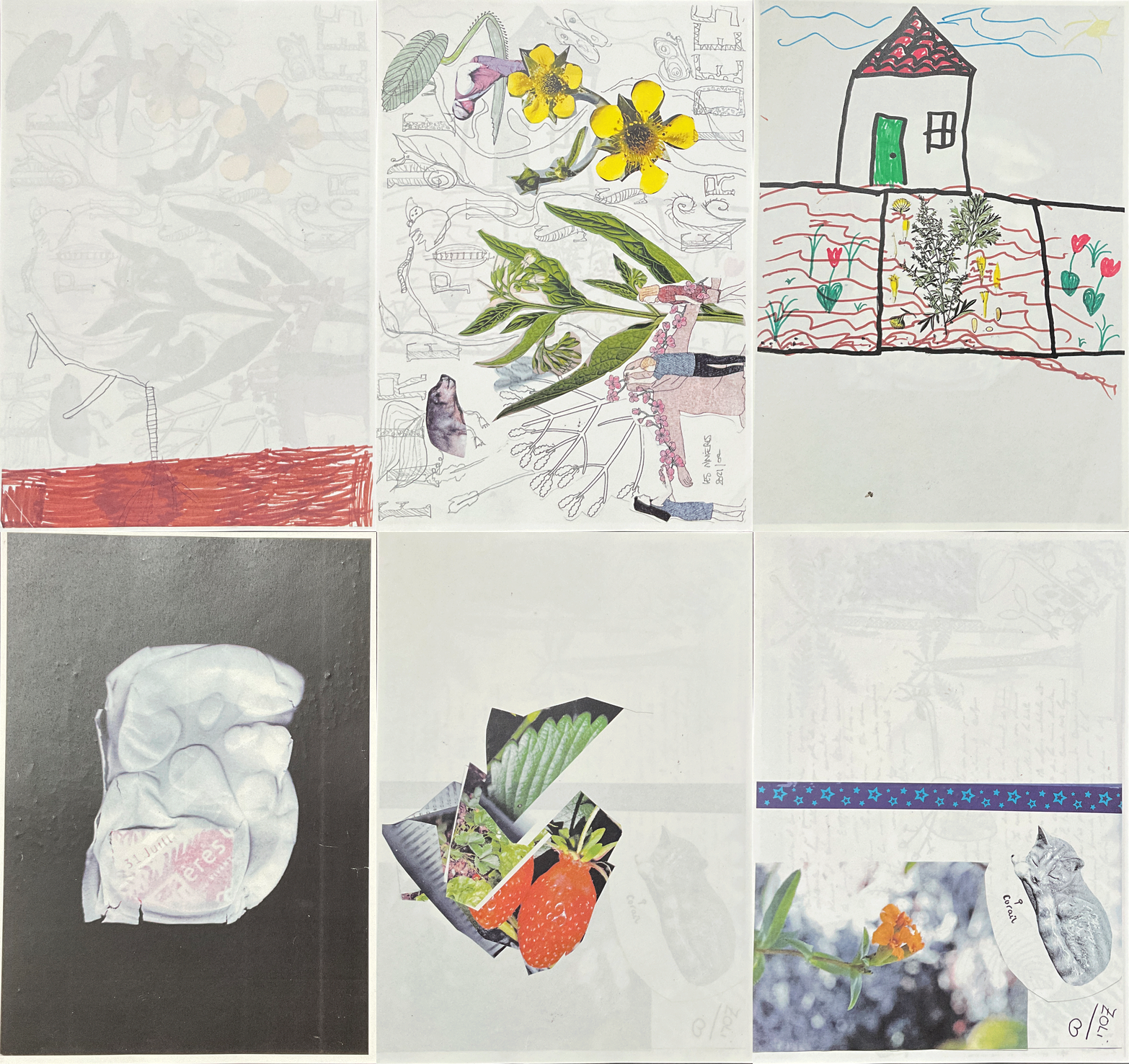
Figures 7–12: zine des Minières, animated gif of pages 16 to 21 (2021).
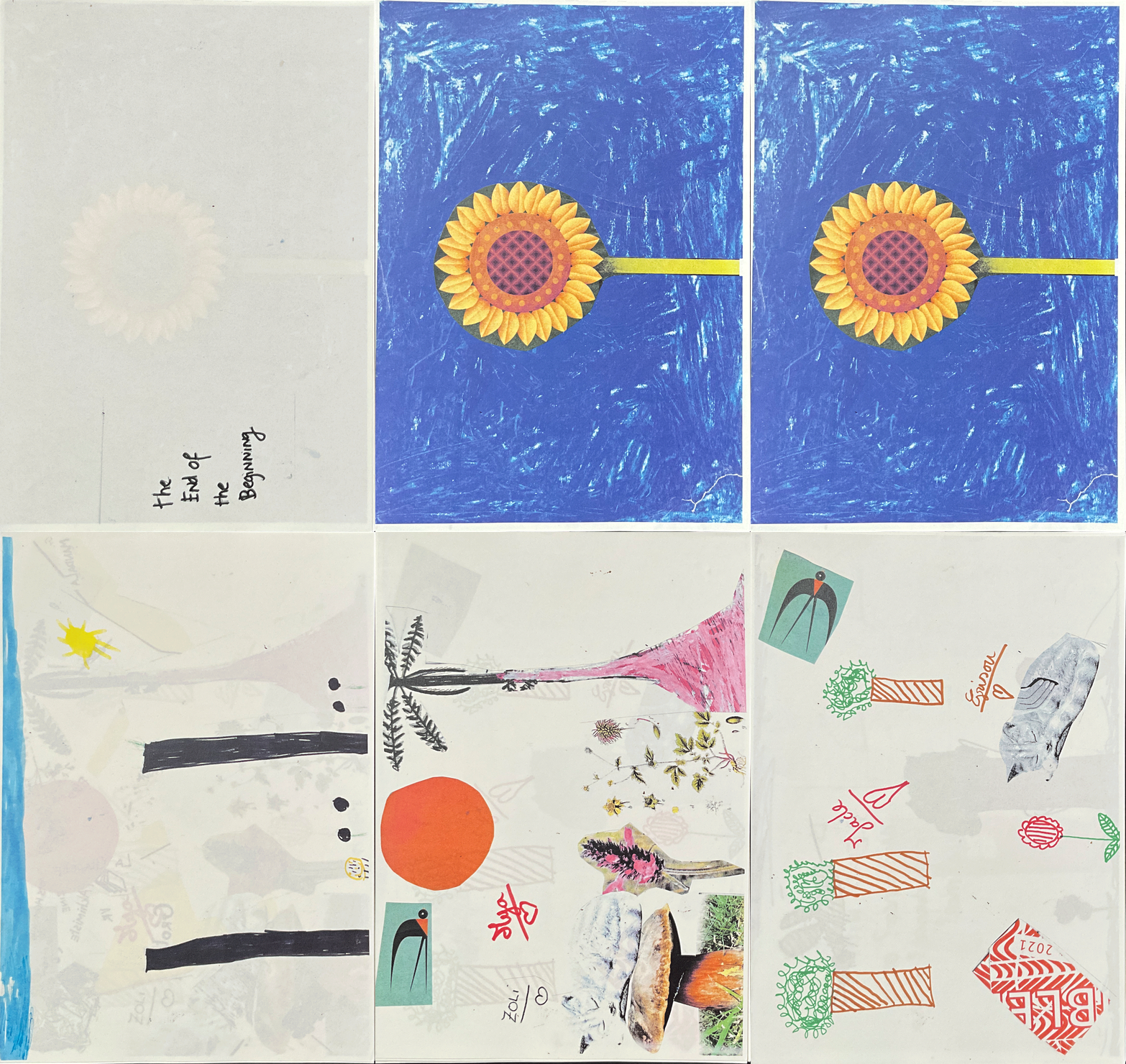
Figures 13–18: zine des Minières, animated gif of pages 41 to 46 (2021).
Les Minières is a farm land in Normandy, between the forests of La Férrière-aux-Etangs and of the Andaines. Within this land of 9,5 hectares, the assiduous practice of regenerative gardening feeds soils and people, while artistic practices regularly nest in the shade of gardens.
Since 2021, when the foundation Les Minières started across agroecology and arts, the crafting of zine pages has developed and continues to unfold at the table du zine. Leading to the ongoing growth of the zine des Minières.
At the table du zine, participants gather around gardening books and dance publications (including maps, zines, scores) with access to a copy machine, paper, and crafting props. Invited to make a page, participants are guided by a member of the collective and by the lively installation. The guidance à la manière des vers de terre—following earthworms—includes an invitation to notice what touches the eyes and hands before transforming the materials available. Encouraged to extend the observation to what touched them outside in the fields (while planting trees or visiting, or harvesting, dancing, witnessing dances) participants bring sensorial bodies and other gleaned elements to the table. Repetition is welcome. After the time it takes for different visitors to craft a page, copies are gifted to the body of the zine. From July 2021 to June 2024, eleven iterations of the table du zine shaped 151 A4 pages, weighing 800g, and covering a surface of 9,44 square meters.[1] Drafts, leftovers, matters that did not land into a final page are kept in the compost: a starter for future practices of the table du zine.
Elles disent que les histoires de sols sont des histoires de corps. (Rivière 2023, 33)
They say soils stories are stories of bodies. (My translation)
How do soils shape zines? What is the role of these Normand soils, exhausted by a past of mining activities, in shaping the zine des Minières?
Zine making partake to do-it-yourself cultures. Their formats and content are controlled by people who make them. Zines are spaces to share information and stories from marginalized voices (Williams 2021, 2:20). Asking how soils shape zines, I am reminded that participants who craft these pages are moved by other movements than their own.
ll y a en moi des mouvements qui ne sont pas de moi, des mouvements qui me précèdent et dont certains m’instituent […] sans cesse, je suis mouvementée, du dedans comme du dehors, par d’autres mouvements que les miens. (Bigé 2023, 13)
There are movements in me which are not mine, movements which precede me and some of which establish me […] constantly, I am moved, from within and without, by other movements than mine. (My translation)
The practice at the table du zine is a moment of attention, of listening to and being moved by soils without intervening, without ploughing, without digging, perhaps inclining towards them, sensing. A bending over and forward resembling a bow. These movements in the practice invoke the plural quality Emma Bigé (2023) describes in the words “movements in me which are not mine.” Among others, the movements of participants in the table du zine, are movements of earthworms.
Of all their senses that of touch, including in this term the perception of a vibration, seems much the most highly developed. (Darwin 1881, 29)
Earthworms’ tactile bodies inform the guidance of the table du zine. The castings they shape—you might be familiar with twists of earth that drool between tiles or within grass fields—are fertile matter digested multiple times by earthworms. Time and time again, zine makers at Les Minières, held and moved by soils, digest pages through the copy machine; printing, reprinting, possibly shifting scales, layering, and covering again.
As it is certain that worms swallow many little stones, independently of those swallowed while excavating their burrows, it is probable that they serve, like mill-stones, to triturate their food. The gizzard opens into the intestine, which runs in a straight course to the vent at the posterior end of the body. The intestine presents a remarkable structure, the typhosolis, or, as the old anatomists called it, an intestine within an intestine. (Darwin 1881, 19)
Earthworms bring fine earth to the surface, covering entire fields, turning them into fertile grounds, hospitable to more lives. Aware of the role of earthworms in enriching and aerating soils, regenerative gardeners continue this labour by covering grounds to prepare them for crops. This is an alternative to ploughing with machines harmful to soils life. At les Minières, not less than fifty years ago, the land was a site of extraction, taking iron from the ground. Today, the regenerative farming prioritizes repair, supporting the regeneration of soils through cyclical covering with organic matter. This gesture of covering as an act of care (feeding, holding space, enabling life) also informs the guidance at the table du zine. Pages form into layered compositions through the tactile attention and the hands of many. The zine’s body results from a collective digestion through time. Its 151 pages offer grounds for readers’ eyes while honouring earthworms, with gratitude and acknowledgment for their labour living within us, feeding soils that feed us.
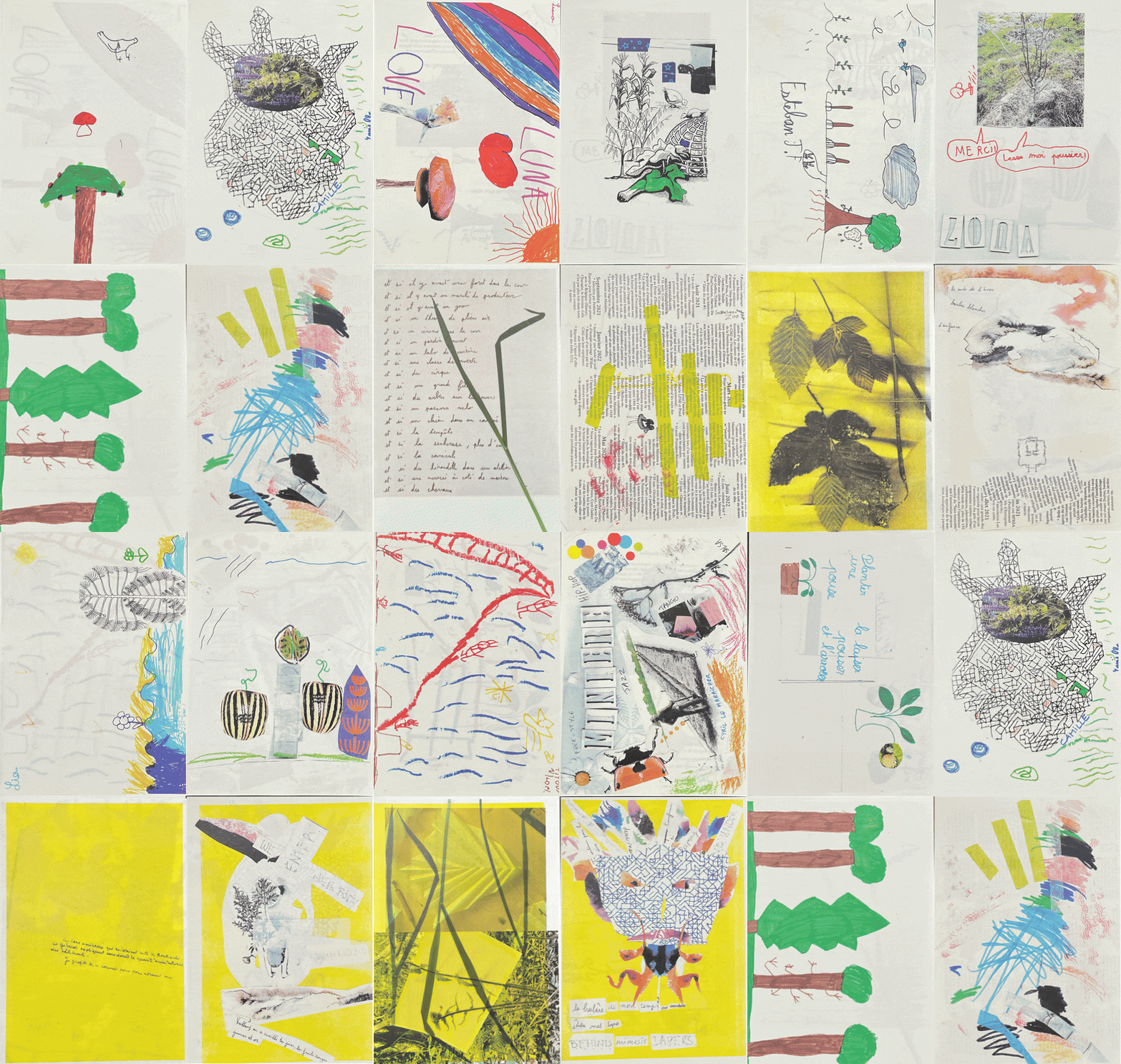
Figures 20–43: zine des Minières, pages 52 to 57, 62 to 67, 71 to 76, 93 to 98 (2022), pages 102 to 107 (2022).
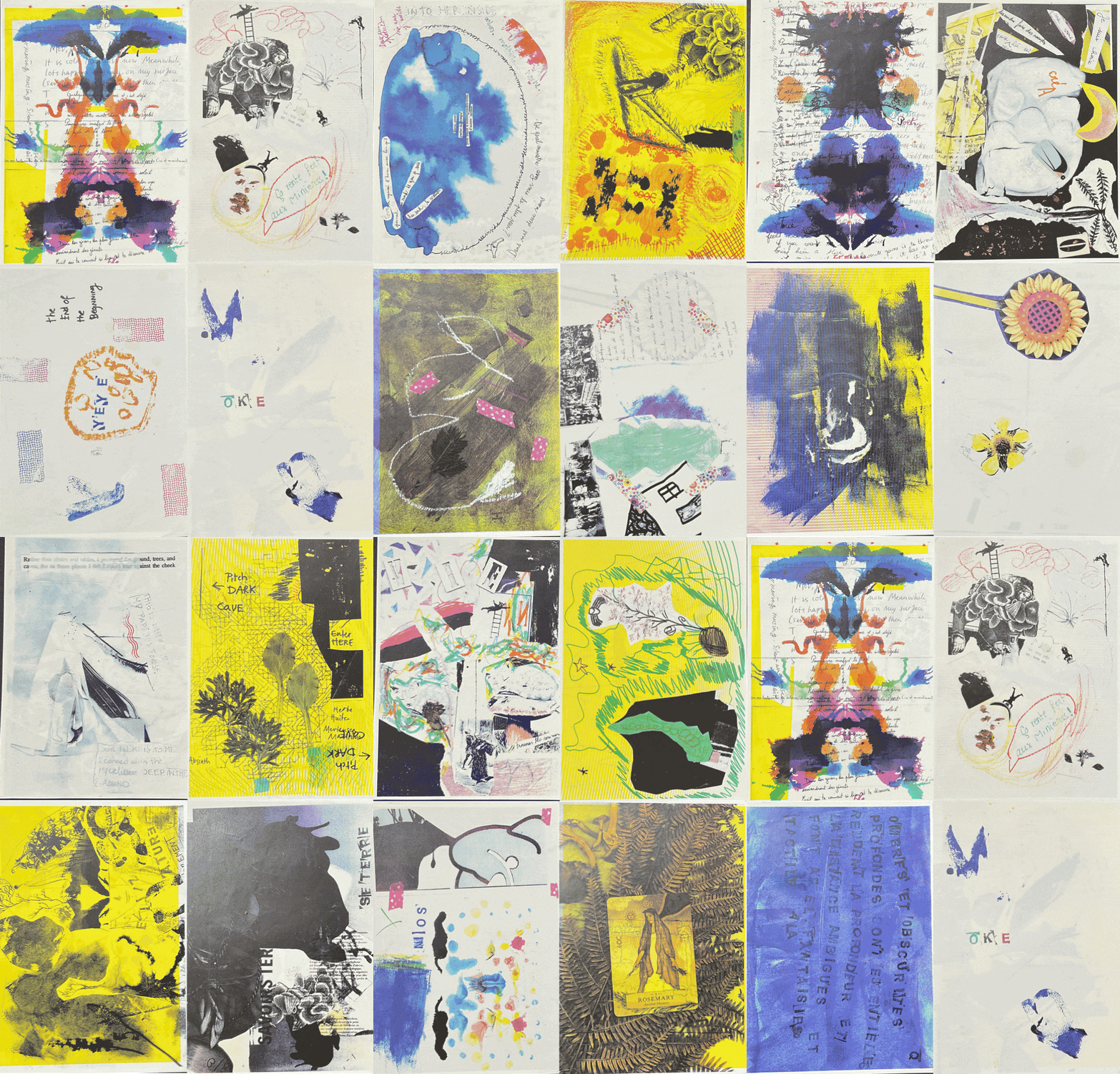
Figures 44–67: zine des Minières, pages 113 to 118, 120 to 125, 133 to 137 (2023).
The soils of Les Minières shape its zine by holding and moving its participants. Informed by earthworms’ tactile qualities and their many digestions of fertile soils, makers of the zine des Minières connect with underground knowledges, connecting with cycles, loops, seasons, food. Reading Broken Earth by N. K. Jemisin (2015–2017), in which the fifth season is the suspension of seasons, the negation of cycles, linear time serving the accumulation of capital, Bigé (2023, 26) tells that some dance and somatic practices help access underground knowledges. The repetition of the table du zine as an ongoing practice of documentation, the regularity of the pause to notice, embracing seasonality, cycles, and flows, formed the zine into a logbook of Les Minières, holding space for other than human presences within it. Reading the zine, it is possible to perceive seasons, to observe herbs growing on the land, feel the cycles, the movements of wind, breaths. Besides these observations which can be named, might other forms of soil stories, bodies stories and presences live within the zine des Minières? This search of soil stories motivated the creation of collective moments of reading the zine, in performance. The zine is spread out on the floor, at times in lines of twelve pages by twelve rows, at times in a circle, covering. Like leaves at the entrance of an earthworm's burrow. In this set up, the zine invites readers above ground, and invokes presences underground.
Worms prepare the ground in an excellent manner for the growth of fibrous-rooted plants and for seedlings of all kinds. They periodically expose the mould to the air, and sift it so that no stones larger than the particles which they can swallow are left in it. They mingle the whole intimately together, like a gardener who prepares fine soil for his choicest plants. […] The leaves which are dragged into the burrows as food, after being torn into the finest shreds, partially digested, and saturated with the intestinal and urinary secretions, are commingled with much earth. This earth forms the dark coloured, rich humus which almost everywhere covers the surface of the land with a fairly well-defined layer or mantle. (Darwin 1881, 131)
While most zines meet their readers and other zines at the occasions of fairs, shops, or libraries, the zine des Minières reaches readers in performance. At these occasions, the zine also meets and shares experiences with other soils, laying on these soils. The zine des Minières covered and encountered soils situated about 674km north east of Les Minières, Heerlen, 560km south, Bordeaux, 160km north west, Cherbourg, 648km north east, Almere, 1003km south east, Turin, and 530km north east, Brussels. Over the surface of horizontally laid pages, readers are invited to bend over, to let their eyes become feet. My eyes are my feet. With eyes as feet, I wander on the pages. In this moment I live off this landscape.[2] With eyes as feet, readers feed themselves with colours, textures, shapes, and images, at times a few words. Following this first encounter with the zine, readers may close their eyes. With the eyes closed, I see.[3] This second moment of the practice supports the echoes of impressions or imprints, rippling into new associations and connections. Travelling with eyes-feet over the zine’s landscape, readers progressively cover their ‘eyes’ with castings of images feeding the mulch of their dreams. At times, as a closure to the practice, readers are invited to tell what they see, to name the presences they feel, in the present tense, as to affirm ongoing and entangled qualities of what is felt, like a dream unfolding.
- Met ogen dicht zie ik een poppetje.
- Ik zie het ook!- With closed eyes, I see a puppet.
- I see it too!(short dialogue with young people practicing the tactile gaze on the zine, Almere daycare, 2024)
Avec le compost, ce n’est pas à toi de décider si ce que tu fais est bon ou mauvais: c’est lui qui décide, qui te le signale par des odeurs fétides, ou des pourritures visibles, si tu as réussi ou non à maintenir les vannes ouvertes et à laisser la vie faire son travail. (Bigé 2023, 28)
With compost, it is not up to you to decide whether what you are doing is good or bad: the compost decides, and signals by foul odours or visible rot, whether or not you have succeeded in keeping the valves open and letting life do its work. (My translation)
Leftovers of cuts and unused materials progressively formed a compost of pre-digested pages. This other collection of paper soon felt like the alter ego of the zine des Minières, similar in size and weight. After a table du zine has shuffled the pages with bits and pieces, aborted projects, drawings, doodles, dried leaves, and little stones, the occasions to gather this compost of pre-digested pages feel like privileged moments. Small cuts unravel like little gems, assemblages emerge and offer depths and reliefs asking the gaze to turn tactile. Laisser vivre, to let live. The zine’s compost is alive and does its work. Cutting through it, eyes turn tactile, dive in, jump, touched. The zine’s compost asks to prolong the moment of holding back to listen, to prolong this form of non-action as trust that what is intended is already happening. The zine’s compost invites to do less, to extend antennas, noticing and acknowledging what is already there, at the service of movements that are not mine, but soil’s movements.
The compost of the zine des Minières started in July 2021 and became the starter of each table du zine since June 2024. For one year, ten tables du zine took place, alternating between Les Minières and other distant soils in Bordeaux, Amsterdam, and Florence.[4] The zine’s compost enabled the development of the practice beyond the farm, further researching soil connections and collective documentation with different lands and earthworms, always maintaining the connection with Les Minières, drinking herbal teas collected at the farm and shuffling the zine’s compost which holds space for past and future times.
Corail. Grizzou. Le chat. The cat. He sleeps.
First names. Zoli, Mya, Jade, underlined and a heart.
The end of the beginning.
Birds. Can a bird be in love with a sheep?
One upside down swimming pool.
Pitch dark with an arrow.
Se terre.[5]
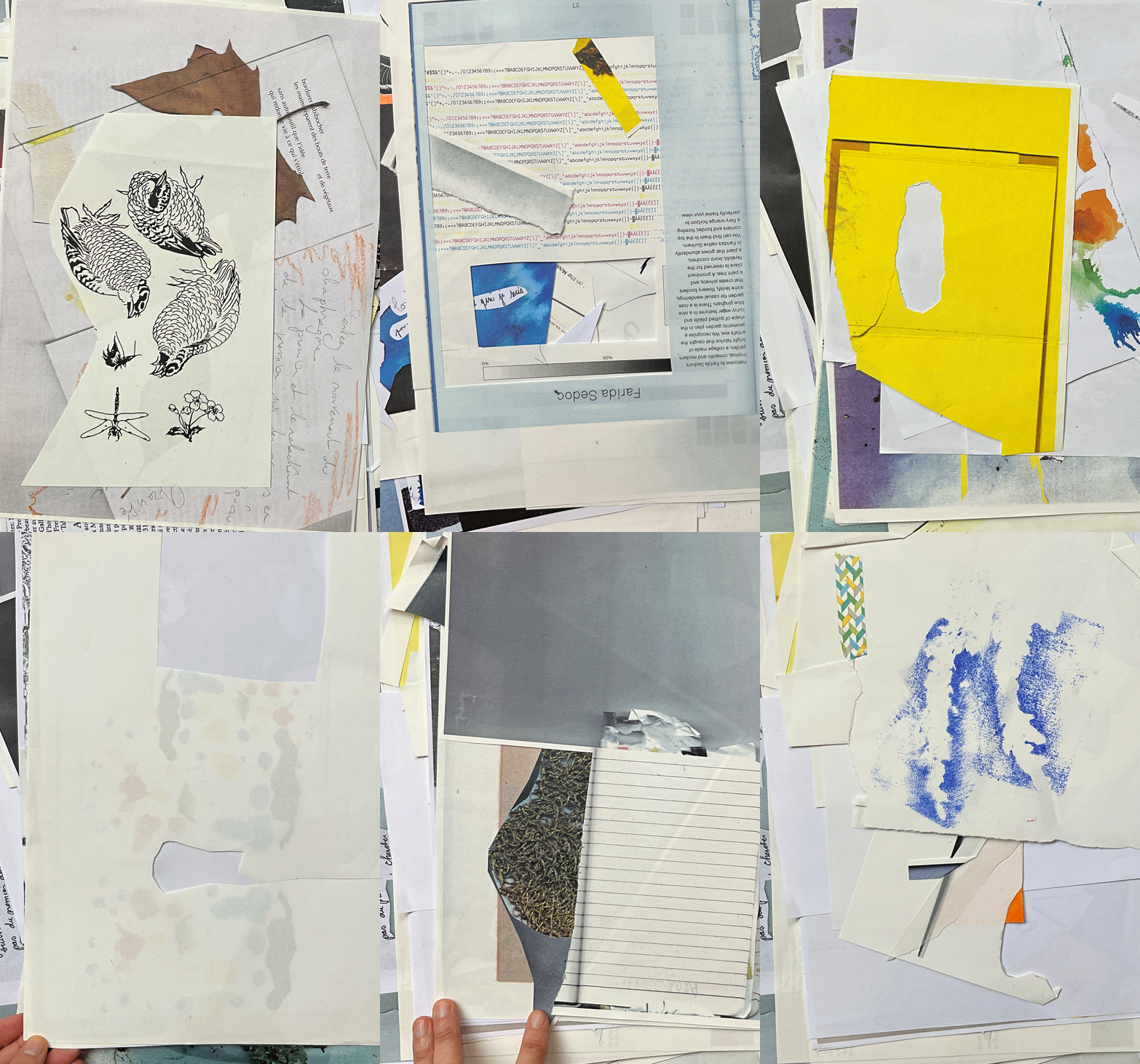
Figures 68–75: eight cuts through the zine’s compost (January 2025).
Elles disent que raconter une histoire ressemble au jardinage. Ce sont les plantes qui s’occupent de pousser. Celles qui racontent ou jardinent sont seulement des facilitatrices : elles tiennent l’espace, elles invitent, elles écoutent, elles désirent, elles suscitent. (Rivière 2023, 24)
They say that telling a story is like gardening. It is the plants that take care of growing. Storytellers or gardeners are only facilitators: they hold the space, they invite, they listen, they desire, they arouse. (Author’s translation)
The zine pages that were crafted between June 2024 and June 2025 accompanied the development of movements of reading the zine des Minières. Covering the soils, the zine invites reader to put on a tactile gaze, with eyes-feet, and to dream. Over the year, zine pages kept covering soils and the reading sessions were associated with creative writing prompts, yet again with a curiosity for the presence of soils in the resulting text. Attempts at unravelling other soils stories through embodied reading and writing practices. The following text resulted from one of twelve sessions writing with the zine as a guide.
Her belly resting onto her thighs, she gleans marrow and yarrow. Her mother and mother’s mother had lost this hip fold by that age. Throughout the years, the bending had moved to their necks and shoulders, their gaze turned through the soils’ horizons. Was it their connections to earthworms? She, too, can hear their singing. There are the women’s voices, and also vibrations. She hears the roots climbing along the legs shaping knots in the groins, turning into fluids and running down her torso, skull, and hair. She picks up the heavy apron her mother left behind, buckles it at her back. Head down, she feels held.
There is a body bending over, wearing four juxtaposed aprons, dark blue, sunset orange, checked, and light blue with gleaming threads. Their lengths prolong the legs a few meters beyond the feet. Their tints are the falling spine’s background. The arms offer a slideshow, a river of horizontal pages, shown one at a time. Once exposed, papers float down the fabrics.
First page shows a lilac background, fragments of texts and the drawing of a body lying, lines grow from their back. Mountains overhang the body. Across the page a thick branch of high grass in bloom, purple.
In an exhale, the page floats downwards and uncovers a second page. A dark banner on the side with figures colored in felt pen. On fours, unrolling up, expanding arms. Movement decomposed. Page almost empty, the red print of a leave, seeds of high grass, blue contours.
Her fingers release tension, the page falls. Three. On the top right corner, the drawing of a sitting female statue, round and powerful. Under this image letters stamped in red: SAINT, SYNTRO, TROP. Concentric circles in red and orange, many O’s fading out, a mass of sorrel seeds shaping a wide A,
She brings the page down. Four. A composition of elements, leaves, sorrel seeds, drawings in pencil, curves, drops. In the background more sediments.
The page falls. Now, the photo of a field. The forest at the horizon, a light brown roll covers the soil. On it, the pasted title of a book, RATHER FEED, red. Blue sky with a few clouds, no leaves on trees, early spring? On the edge tiny flowers and a square with stamped letters.
The time it takes for sixty-nine pages to fall. Behind the aproned body, a hundred-and-fifty years old Wisteria tree holds the entrance walls.
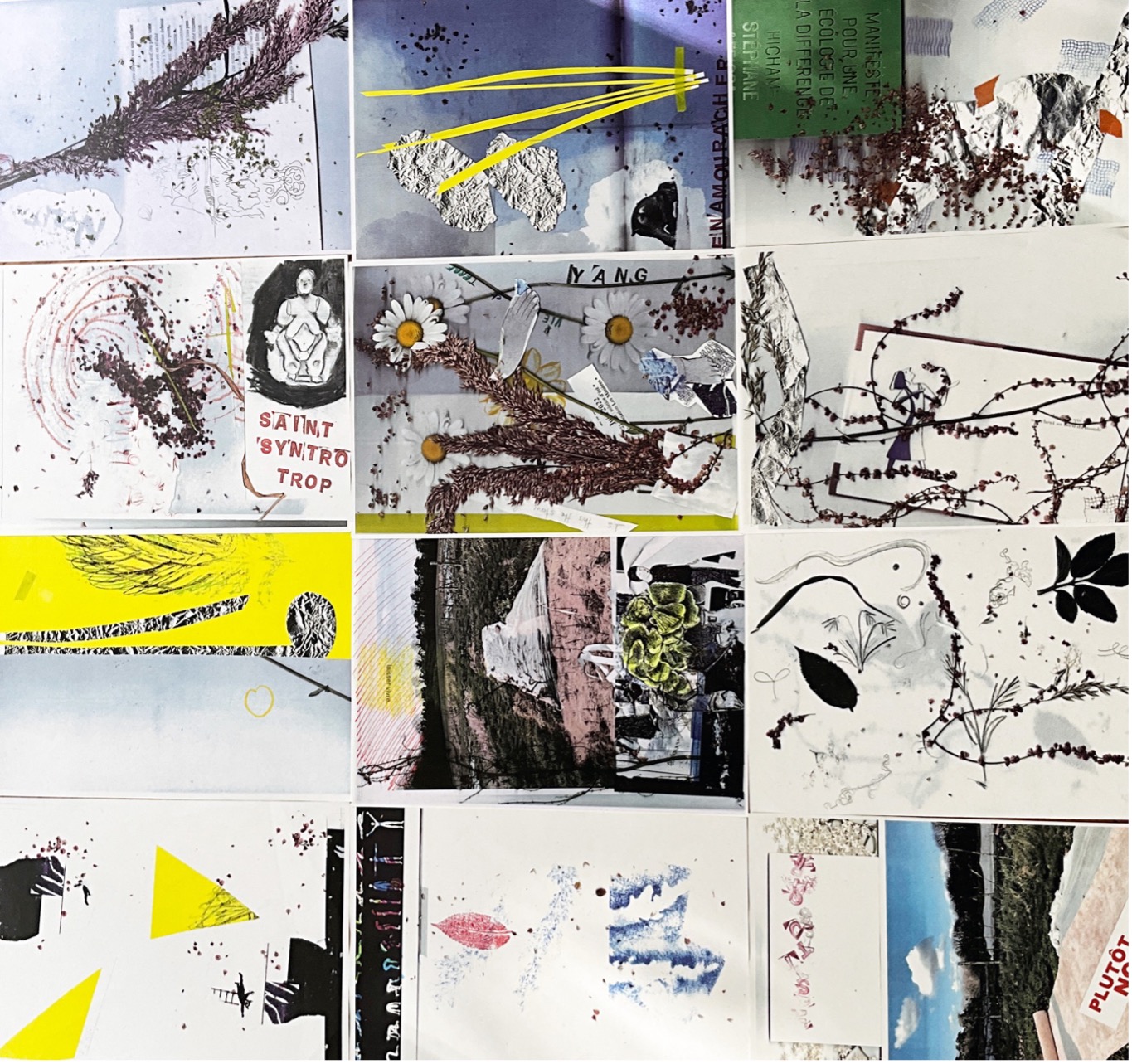
Figure 76: Twelve pages of the zine des Minières (2024).
The zine des Minières, and its development, reading sessions and many coverings withs, has been cared for by the multidisciplinary collaboration Gleaners and the Worms with Nina Boas and Nienke Terpsma. Studying inclined bodies and earthworms. Developing practices coming closer with earthworms and observing regenerative postures.
[1] Over three years, eleven table du zine were held by Les Minières:
May 2024 – Floraisons d’histoires, writers and botanists
December 2023 – Winter retreat, artists
July 2023 – Grande Fête, villagers, members, transgenerational
April 2023 – Et toi qu’est-ce que tu fabriques?, neighbours, peers from local foundations
December 2022 – Winter retreat, artists
July 2022 – Grande Fête, villagers, members, transgenerational
June 2022 – Nuits des Forêts, artists
April 2022 – La Mue, architects, visual artists, members
February 2022 – Les Mots Tordus, local school pupils, 4–12 years old
November 2021 – Les Mots Tordus, local school pupils, 4–12 years old, start of the zine’s compost
July 2021 – Grande Fête, villagers, members, transgenerational
[2] The choice of words is informed by François Jullien’s book Living Off Landscape (2018) where the author investigates human’s implication with the world, positioning landscape as a matter of living.
[3] Words of the practice and also title of the chapter of Gleaners and the Worms in Brussels in March 2024, hosted by the Radical house, with a public session held at rile* bookstore.
[4] May 2025 – Les Minières, Danse en ruralité ODIA Normandie, 16 pages
March 2025 – Amsterdam, Encounters between Performance Philosophy and Animals: the Politics of Animal Knowledges, 18 pages
March 2025 – Les Minières hosting students of Flora Tristan, 18 pages
December 2024 – Les Minières Winter retreat, 10 pages
November 2024 – Florence Attivisti Della Danza, 10 pages
September 2024 – Les Minières hosting students of Flora Tristan, 22 pages
September 2024 – Amsterdam Interspecies Performance Symposium, 28 pages
July 2024 – Les Minières Grande Fête, 7 pages
June 2024 – Bordeaux Books on the Move anniversary, 12 pages
June 2024 – Les Minières Nuits des Forêts, audience, 12 pages
[5] Se terre is both a misspelling of se taire which translates into being quiet, and it is also a proposition on page 136 of the zine des Minières: to earth oneself. This example expresses an attention for various layers of meaning and sense making.
Bigé, Emma. 2023. Mouvementements: Écopolitiques de la danse. Éditions la Découverte.
Darwin, Charles. 1881. The formation of vegetable mould, through the action of worms, with observations on their habits. John Murray.
Jemisin, N. K. 2015-2017. The Broken Earth Trilogy (The Fifth Season; The Obelisk Gate; The Stone Sky). Orbit.
Jullien, François, 2018. Living Off Landscape: or the Unthought-of in Reason. Translated by Pedro Rodriguez. Rowman & Littlefield.
Rivière, Léa. 2023. L’odeur des pierres mouillées. Éditions du commun.
Williams, Lu. 2021. “Zines as a Tool for Activism.” Online conversation with Sheila Coates, Hamja Ahsan, and Rhona Ezuma, 22 May 2021. Accessed 5 June 2025. https://www.estuaryfestival.com/event/detail/zines-as-a-tool-for-activism.html.
Emilie Gallier is a choreographer researcher who lives between Leiden (The Netherlands) and Les Minieres (France). She developed the idea and practice of reading in and as performance, in her practice-as-research PhD: Reading in Performance, Lire en Spectacle (2021, Centre for Dance Research Coventry University, DAS Graduate School). Her engagement with artistic research as a researcher (Amsterdam University of the Arts), a tutor (THIRD), peer (PEERS, Zürich), co-editor (De Nieuwedansbibliotheek), bookworm, gleaner and spectator, shapes her attention and experience with forms of writing and publishing, and with what is active in practices. She is co-founder of Les Minieres in Normandy (France), gathering regenerative agriculture and performing art practices. https://lesminieres.org/
© 2025 Emilie Gallier
Except where otherwise noted, this work is licensed under a Creative Commons Attribution-NonCommercial-ShareAlike 4.0 International License.